
Even the most accomplished people need somewhere
they don't have to have all the answers.
Eveyone wants to be Superman. But We Love Spider-Man.
There's something fascinating about superheroes.
Superman can fly, stop speeding trains, survive explosions and save the planet before most of us have finished breakfast. He's handsome, powerful, practically indestructible and has a rather impressive way of dealing with people who annoy him. Most of us would happily borrow his abilities for a weekend.
Batman is another matter. He's rich, brilliant, mysterious and exceptionally good at making criminals reconsider their career choices. Unfortunately, he's also rather difficult to imagine inviting round for dinner.
Then there's Spider-Man.
Peter Parker is awkward. He's insecure. He struggles with relationships, worries about money, gets bullied, disappoints people and frequently finds himself wondering whether he's good enough. He has extraordinary abilities, but his everyday life is a complete mess. And that's why so many of us love him.
We don't have to imagine what it feels like to swing between skyscrapers to understand Spider-Man. We already know what it feels like to be embarrassed, rejected, misunderstood or frightened of letting somebody down.
Superman gives us someone to admire.
Batman gives us someone to fear.
Spider-Man gives us someone to recognise.
We accept that even superheroes have flaws. And we know the people we admire aren't perfect either. But when we see those imperfections for ourselves, do we still hold them in the same regard?
The Respect We're Afraid of Losing
Something I've noticed through our Thought Leaders Breakfast Club and the daily questions in our Living Room community has made me think differently about how successful people see each other.
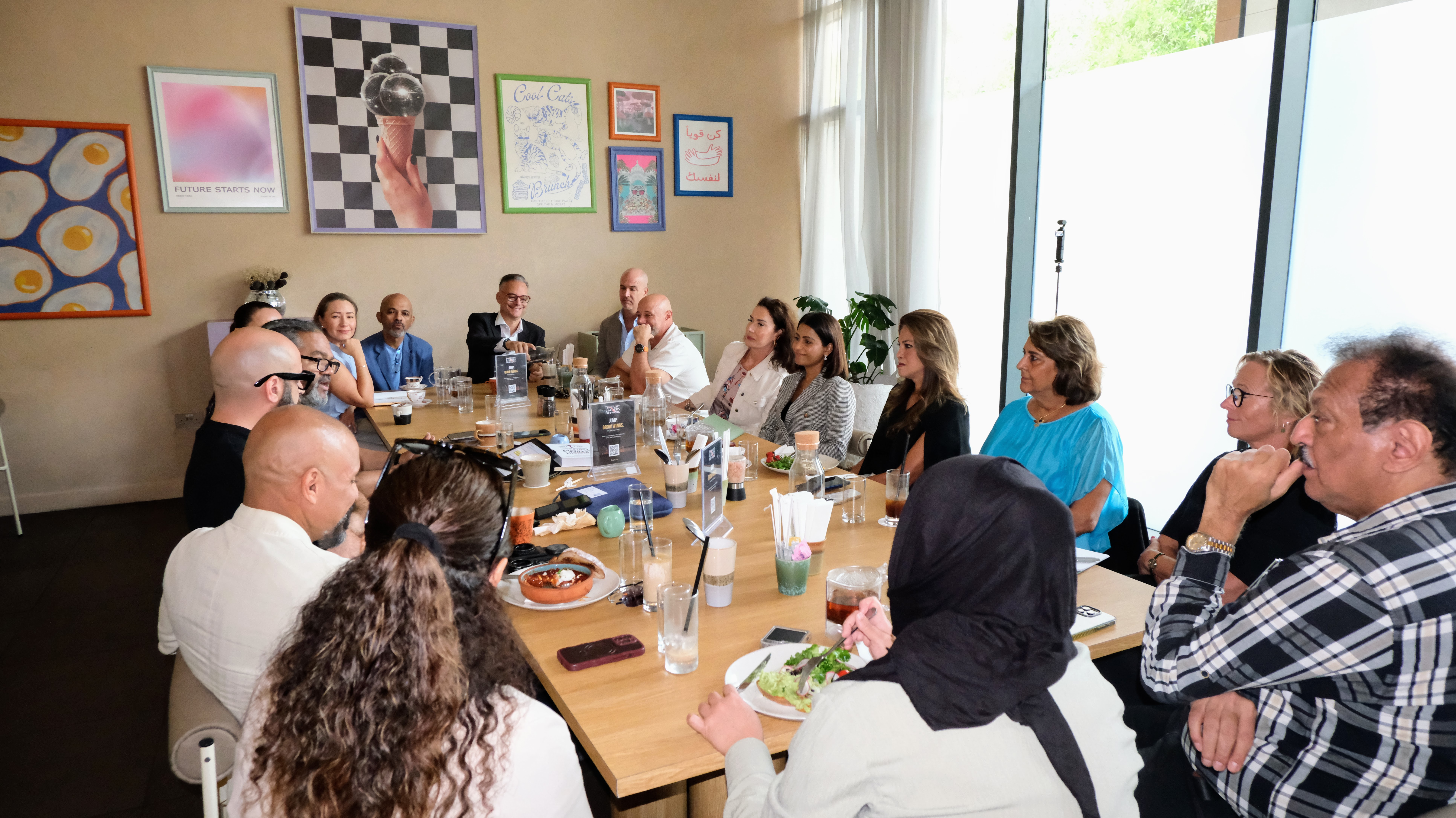
These are business owners, entrepreneurs and experienced professionals who have spent years building their careers and reputations. Yet when they feel comfortable enough to speak openly, the conversation often moves beyond achievements. They talk about mistakes, difficult decisions and moments when they didn't have all the answers.
What interests me is how others respond. Rather than losing respect for someone who admits a mistake, people often seem to respect them more.
Yet some of the answers to our Living Room questions revealed a contradiction. While people valued honesty in others, they recognised that they might not feel safe enough to be equally honest themselves.
Think about that for a moment. We can admire someone for admitting a mistake while worrying that admitting our own might damage the reputation we've worked so hard to build.
Success doesn't necessarily remove our fear of being judged. Sometimes it gives us even more reasons to protect how others see us.
Of course, there's a difference between admitting a mistake that shows you've learned something and revealing a level of incompetence that makes people question your judgement. One can strengthen respect. The other can damage the confidence people have in you.
The difference isn't simply whether you admit you were wrong. It's whether people can trust what you've learned from it.
What Success Doesn't Always Allow Us to Show
Making difficult decisions, managing people and dealing with uncertainty are part of being a leader. It doesn't mean those responsibilities become easier with experience. It means people still look to you for answers, even when you're trying to work things out yourself.
Your employees expect direction. Your clients expect answers. Your family may look to you for reassurance. And somewhere along the way, being the person everyone depends on can become part of your identity.
But who do you turn to when you're the one who doesn't have the answers? And when you admit you're uncertain, will people appreciate your honesty or begin to question their confidence in you?