These hidden biases shape every decision you make. Once you know how
they work, you can influence any room with clarity and confidence.
📌 In this issue:
- Why rooms judge you before you speak
- The hidden levers of influence revealed in your 12 Biases Guide
- 3 of the most powerful biases you'll unlock today
- A simpe reinvention exercise from The Thought Leader's Playbook
Why You Feel Judged Before You Speak
Just the other day, while I was preparing this newsletter, I came across an article discussing how biases influence everyday decisions. It stopped me in my tracks because it reminded me of something I have lived through for years.
Have you ever walked into a meeting, interview or networking event and within seconds you already know how it will play out?
That split second judgement is availability bias. Your brain predicts the present based on the past. You are not wrong for feeling it. Most rooms decide who you are long before you speak. People look for what confirms their assumptions. That is confirmation bias.
They warm to people who feel familiar. That is in group bias.
I lived this for years.
Back in the UK broadcasting world, the old boys network made the rules. Talent didn't matter as much as fitting the mould. If senior people didn't rate you, nobody else did either. That is authority bias and social proof bias working together. And whatever role they first saw you in, became the fixed anchor you could not escape. That is anchoring bias.
No matter what I did, the outcome of every meeting felt written before I arrived.
Then I moved to Dubai.
Same me. New environment. Different framing.
Here, quality of work mattered more than background. That's the framing effect.
People judged me by what I delivered most recently, not by old assumptions. That is recency bias.
And opportunity was not locked behind a private cirlce. That is scarcity bias broken.
In 2 years, I went from barely getting shifts to becoming station manager.
That's the power of understanding bias.
Once you see the invisible rules, you stop being controlled by them and start using them.
In this newsletter, we'll break down all 12 key biases that shape your career, your influence and your future, including one you may not even realise you're using.
Let's begin.
How Bias Shows Up Before You Even Speak
Most people believe they make decisions logically. They don't.
They make decisions emotionally through shortcuts they don't even realise they're using.
And once you understand how these hidden biases work, everything changes. You'll start to see why people respond they way they do, why some leaders rise faster than other, and why certain individuals always seem to get the benefit of the dount while others fight every way.
Here are 7 areas that transform immediately when you understand bias:
- Impact - showing up with confidence so people will respond immediately.
- Sales - offers convert faster because customers instantly decide.
- Recruitment - only the right talent gets attracted to your business.
- Leadership - your communicaiton cuts through doubt and confusion.
- Loyalty - people stay longer as they're understood and emotionally aligned.
- Visibility - your content lands because it matches how people naturally process information.
- Relationships - you can influence how people think and react.
Remember, most decisions are not made logically but emotionally. The mind moves through shortcuts long before logic gets a say.
If you ignore the biases, these areas don't stay neutral. They decline.
Bias runs the room whether you understand it or not.
Bias shapes every part of your daily life. Think about it.
It decides who you trust, who you ignore, who gets your attention, and who never even makes it onto your radar.
It decides who gets promoted, who gets delayed, and who gets invited into the room.
It decides whether your idea lands, whether your presence feels credible, and whether people take you seriously when you speak.
These rules sit under everything:
hiring, promotion, partnerships, negotiation, presentations, sales, content, leadership, visibility... all of it.
Ignore the biases and you get slow decisions, stalled projects, missed opportunities, resistant teams and maybe later insead of a yes.
But, when you understand how these 12 biases work, you will speak in a way people feel.
You lead in a way people trust.
You position yourself in a way people follow.
That, my friend, is not manipulation.
It is the mastery of how the human mind actually works.
6 Famous Leaders and the Biases They Mastered
You already know this about me. I am a stage hypnotist, a hypnotherapist and an NLP Master Practitioner. I have spent decades studying how influence really works. Not the theory, the real life version that plays out in rooms, meetings and conversations every day.
I share these insights inside the Thought Leaders Network so you can harness the same science behind influence and persuasion.
So many leaders use their knowledge of bias to tip the scales in their favour.
It's time you did the same. Not to manipulate, but to make a bigger impact, help more people show up as the leader you're meant to be.
Here are the 6 leaders who mastered this better than anyone:
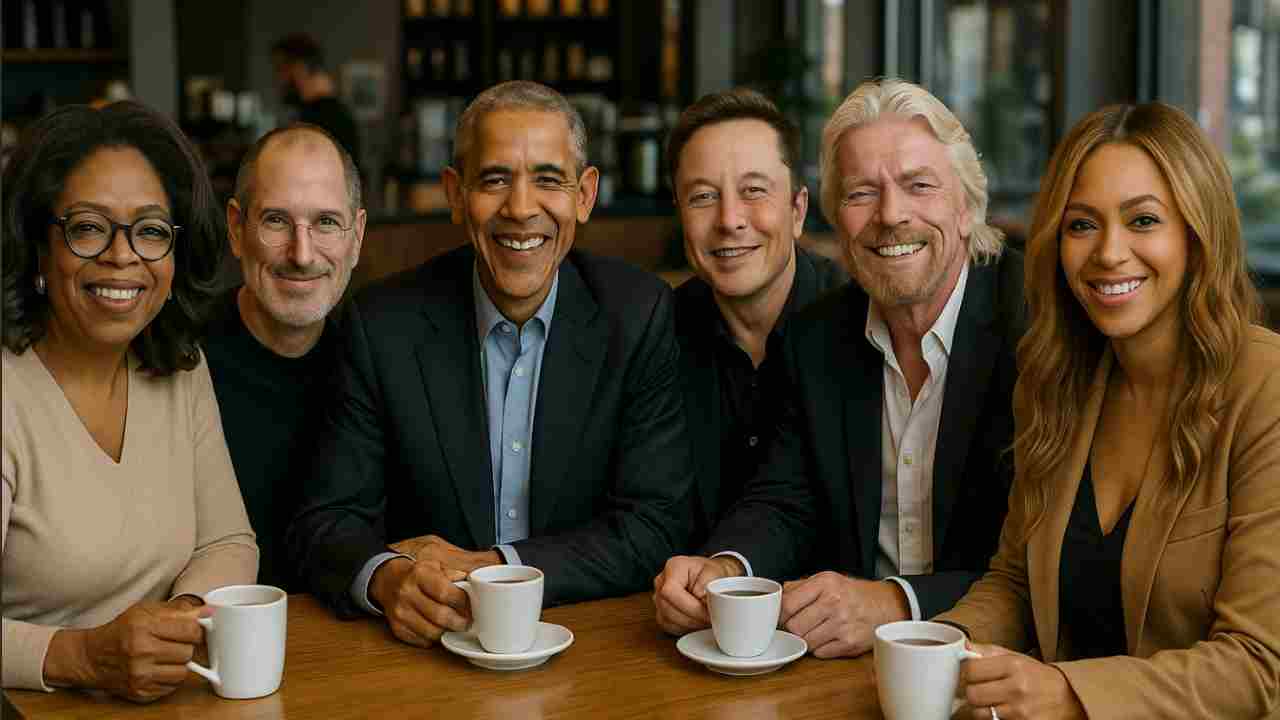
- Steve Jobs
He framed his ideas so powerfully that people rarely questioned them.
[framing bias + authority bias] - Oprah Winfrey
She built a global empire by making everyone feel like part of her circle.
[social proof bias + in group bias] - Barack Obama
He closed with lines the world remembered long after the speech ended.
[recency bias + framing bias] - Elon Musk
He set bold anchors so people adopted his vision even before the evidence appeared.
[availability bias + anchoring bias] - Richard Branson
People trusted him because he felt human, warm and real.
[familiarity bias + loyalty bias] - Beyoncé
She created cultural moments by releasing rare, controlled drops that became global events.
[scarcity bias + authority bias]
These leaders do not hope for influence.
They engineer it.
They understand the hidden levers running beneath every decision and they use them with precision.
Inside the Thought Leaders Network, we don't try to shout louder.
We learn what the human mind actually responds to, so you can lead with clarity, confidence and purpose.
👉🏾 Join the Thought Leaders Network and learn this alongside people who are doing the same work as you.
Let me tell you about... EVERYONE
I can say this with complete honesty and zero exaggeration.
Every single client I've ever coached who struggled with imposter syndrome, whether it hurt their income, stalled their career or blocked their confidence, was held back by one thing.
Misunderstanding how bias works.
Sometimes it's the only one that dominates.
Usually a cluster.
Always invisible until we name it.
And once you name it?
It's like casting a spell in Harry Potter.
The whole thing dissolves instantly because you can finally see the shape of the problem.
Most people think it's fate.
Or society.
Or the system or the culture.
Or "just the way things are".
But it's none of that
It's how human beings make decisions.
And when you walk into an organisation that feels impossible to navigate - slow, political, resistant or confusing - it's not because the people are bad or broken.
It's because you're dealing with a web of unconscious biases that nobody inside the building even realises they are operating on.
If you want to understand any organisation, you don't start with the org chart.
You start with the silent strings being pulled.
Because those strings are woven from bias:
who gets trusted,
who gets promoted,
who gets listened to,
who gets ignored.
It's a secret pattern.
A protective shield.
A hidden structure that keeps insiders in, outsiders out and the whole machine running in a rhythm most people never question
Once you understand the biases behind it?
Your results change immediately.
Not because the world changes, but because you finally see how it works.
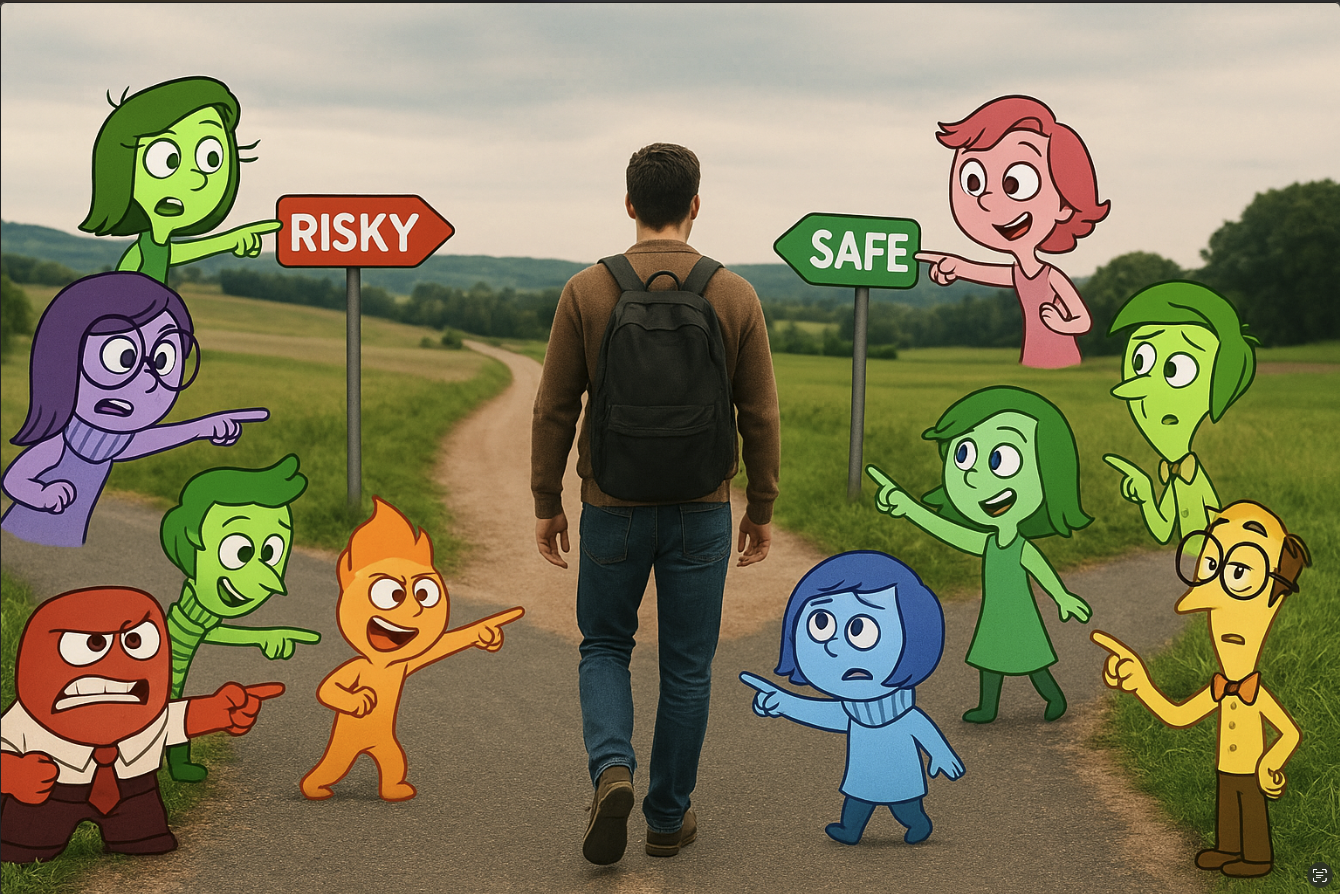
The 12 Biases That Shape Your Life
This might be the most powerful gift we've ever shared inside a newsletter.
What you're about to see are the biases that quietly control your career, your influence, your money and your relationships.
There are dozens of them being used on your every single day...
but these twelve are the ones that change your life the fastest once you know how to recognise and overcome them.
Below are the first three, the ones you'll feel immediately once you see them.
The remaining nine are inside the downloadable guide (you must be a subscriber).
When you read all 12 together, you'll start seeing the world, and yourself, very differently.
- Autority Bias
What it is:
People automatically trust, follow and say yes to whoever sounds like the expert.
Impact:
If you do not project authority, people overlook you.
If you do, people give your ideas far more weight.
Example of how it's used on you:
The first person to speak in a meeting often ends up steering the outcome... even when they're wrong.
How to use it ethically:
Show calm confidence in your opening.
People trust your presence long before they hear your achievements.
How to defend against it:
Ask yourself, "Do I trust this person because they are right... or because they sound confident?" - Social Proof Bias
What it is:
Humans follow the crowd.
If lots of people approve something, we assume it must be valuable.
Impact:
This is why influencers sell out products, why testimonials work and why brands chase numbers.
Example of how it's used on you:
"Bestseller"
"Most popular course"
"Over 600 members inside."
These labels trigger instant trust.
How to use it ethically:
Show your reviews, client wins, audience size or case studies.
Let the results speak for you.
How to defend against it:
Always ask: "Is this popular because it's good... or just because it's loud?" - Framing Effect
What it is:
The way you present information changes the decision, even when the facts do no change at all.
Impact:
A bad idea can look great in the right frame.
A brilliant idea can fail in the wrong one.
Example of how it's used on you:
A company says "95% success rate" instead of "5% failure rate."
Same number.
Different emotional response.
How to use it ethically:
Always frame your message around outcomes, not features.
Tell people what changes fo rthem, not what the thing is.
How to defend against it:
When someone presents a choice, flip it.
"What's the opposite way to look at this?"
You will spot the truth instantly.
If these first three are already hitting you hard, wait until you read the full twelve.
Those remaining nine will explain every mystery moment in your career where you felt ignored, underestimated or unseen.
They will also show you how top leaders tip the scales" without ever raising their voice.
Inside the guide, you will discover:
- How to read any room
- How to accelerate trust
- How to influence decisions
- How to dissolve resistance
- How to recruit the right people
- How to grow your audience
- How to win relationships
- How to rise without competing
Once you master all 12, you'll know exactly what to do with your business, your brand and your relationships for the rest of your life, and none of your friends will have a clue how you manage to achieve it.