
Some of the abilities that help people nagivate uncertainty are built
long before they enter the boardroom.
The Intelligence Nobody Taught Me
We've all met people who seem to notice things before everyone else.
They walk into a room and quickly understand the dynamics. They sense tension before it becomes visible. They recognise when something feels wrong, even when nobody has said a word. While others are reacting to events, they already seem to know where things are heading.
Sometime ago, Azizah sent me a TikTok video called 10 Signs of Traumatic Intelligence: The Rarest Form of Smart. Normally I would have ignored it. The internet has a habit of creating new labels for things we've been doing for years. This time was different. Not because it taught me something new, but because it gave a name to something I have been seeing throughout my career.
One of the reasons I have been able to build my career on stages, in boardrooms and in front of audiences around the world is my ability to read a room. I often decribe it as finding the WiFi code. Within minutes, I can usually tell where the energy is, who holds influence, who feels uncomfortable and what needs to happen for people to connect with each other. For years, I assumed that came from experience.
The more I thought about that video, the more I realised those abilities may have started developing long before I ever picked up a microphone. The ability to read people, spot patterns and adapt quickly rarely appears overnight. It is often built through experiences that force us to pay attention. Experiences we would never have chosen for ourselves, but which quietly shape how we see the world. Life teaches some lessons that no classroom ever can.
Reading The Room Is Not Magic
The part of the video that stayed with me wasn't the word trauma. It was the explanation. According to the creator, many of the abilities associated with traumatic intelligence was not really intuition at all. They are pattern recognition.
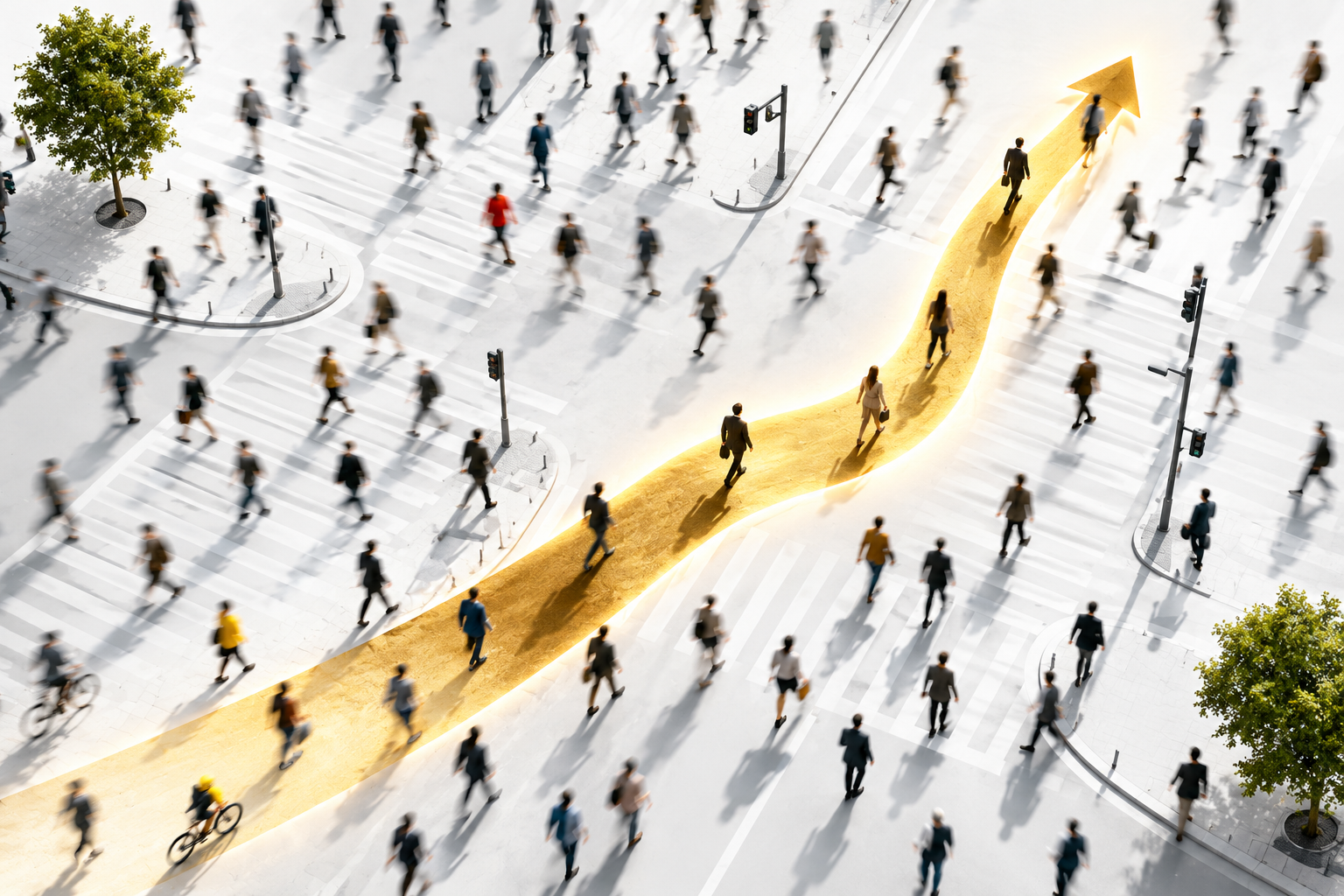
That idea resonated immediately.
Most people assume that reading a room is a natural gift. They think some people are simply born with better instincts than others. Yet the more I refected on it, the more I realise that many of the people who seem highly aware of what is happening around them have spent years learning to pay attention.
They notice changes in tone. They pick up tension before it becomes invisible. They sense when something feels wrong, even when everything appears normal on the surface. Not because they have special powers, but because their experiences taught them that small signals matter.
Many organisations reward what they can measure. Qualifications. Experience. Technical expertise. Credentials. Yet some of the most valuable abilities in business are far more difficult to quantify. The ability to read people. Spot patterns. Sense risk. Adapt quickly when circumstances change. These skills rarely appear on a CV, but they often make the difference between reacting to a situation and seeing it coming.
The more I thought about it, the more I realise that many of these abilities are not developed in comfortable environments. They are developed when uncertainty becomes familiar. When paying attention matters. When reading people matters. When recognising change early matters. Over time, those lessons become part of how you see the world, even long after the difficult chapter has ended.
The Education Nobody Would Choose
Let's be clear. This is not an argument in favour of trauma.
Nobody would choose a difficult childhood. Nobody would choose rejection, loss, instability or the moments that leave a mark on us long after they are over.
The video simply offered an interesting perspective. It suggested that some people develop a heightened awareness because life required it. They learned to read people because it helped them navigate difficult situations. They learned to spot changes early because being caught off guard came at a cost. Over time, those behaviours stopped being survivial mechanisms and became part of how they moved throughout the world.
When I look back at my own life, I see elements of that. Growing up mixed race in predominantly white communities taught me very quickly how to read people. Moving countries taught me how to adapt. Building multiple careers taught me how to recognise shifts before they became obvious. None of those experiences felt particularly valuable at the time. Most of them simply felt difficult.
What interests me now is not the hardship itself. It is what hardship leaves behind. Because sometimes the experiences we spend years trying to move beyond quietly become the source of strengths we never realise we were building.
This is where things get interesting.